
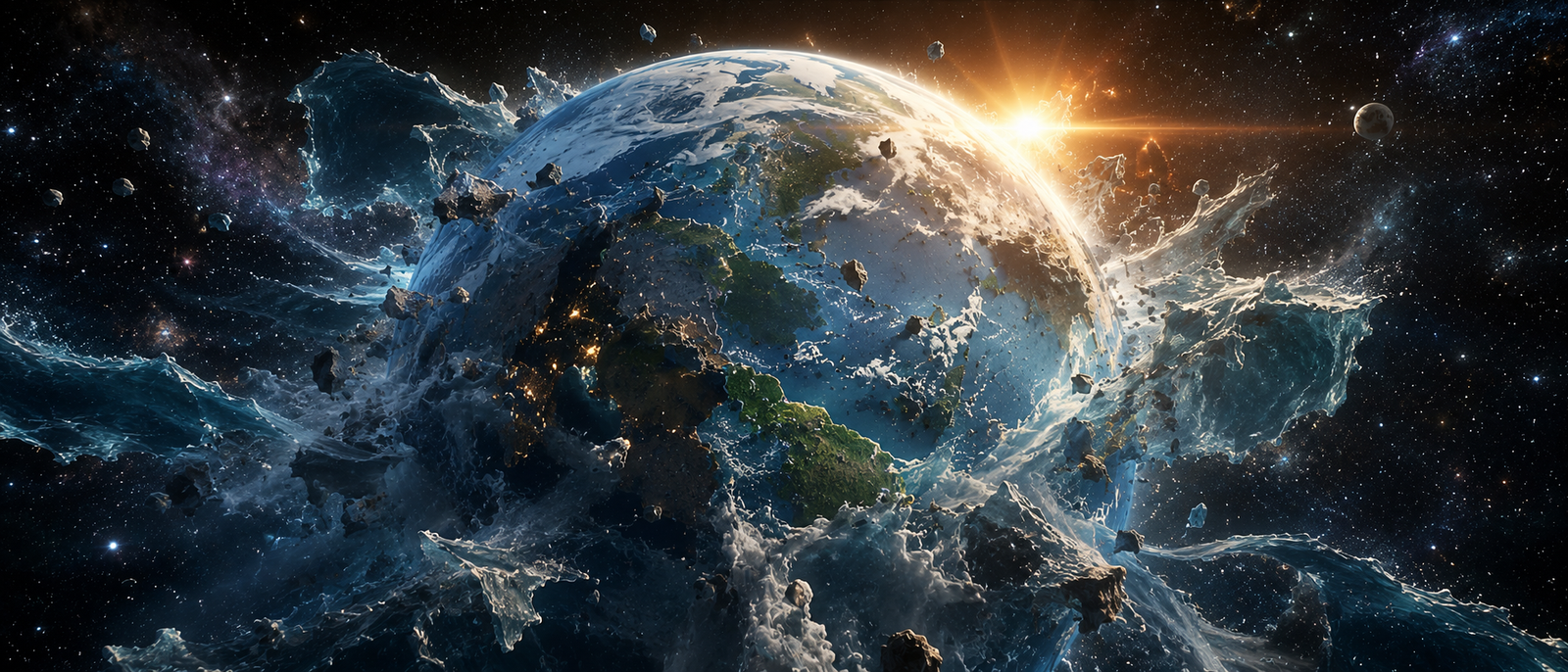
Take a moment and look around.
The chair beneath you. The floor under your feet. The air filling your lungs. Every ocean, mountain, forest, and city on Earth exists exactly where it is because of one invisible force.
Gravity.
You cannot see it. You cannot touch it. Yet every second of every day, gravity quietly shapes your life without asking for your attention.
Early in 2026, a claim spread across TikTok and Instagram suggesting Earth would lose gravity for exactly seven seconds on August 12, tied to a secret NASA project called “Project Anchor.” NASA denied it directly, confirming there was no truth to the story. But the panic that story caused points to a real question worth answering properly. What would actually happen if Earth lost its gravity, not for seven seconds in a hoax video, but in genuine, physical terms?
At first glance, it might sound almost exciting. Movies often show people floating through the air as if losing gravity would simply turn Earth into a giant playground.
Reality would be far more terrifying.
Without gravity, people would not just float. The air you breathe would begin escaping into space. Oceans would no longer cling to the planet. Satellites, the Moon, and even Earth itself would follow completely different paths through the Solar System. Life as we know it would unravel in ways that are both breathtaking and catastrophic.
Thankfully, this is not something that could suddenly happen according to modern physics. Earth’s gravity is a consequence of its mass, not a force that can simply be switched off. That makes this a thought experiment rather than a realistic prediction.
Even so, exploring impossible scenarios often reveals just how extraordinary our universe really is. So for the rest of this article, imagine that the impossible has happened. Without warning, Earth’s gravity vanishes completely.

What Is Gravity and Why Does Earth Have It?
Gravity is so familiar that most of us never stop to think about it.
Every jump ends with your feet returning to the ground. Every raindrop falls toward Earth. Every object you set on a table stays exactly where you leave it. These everyday experiences feel so ordinary that gravity becomes almost invisible in our minds.
In reality, gravity is one of the four fundamental forces of nature. It is the force that attracts objects with mass toward one another, and the larger an object’s mass, the stronger its gravitational pull. Earth’s gravity exists because our planet contains an enormous amount of matter, roughly 5.97 sextillion tons of it.
Every rock beneath your feet, every mountain, every ocean, every layer of molten metal deep inside the planet contributes to that total mass, and together, all of it creates the gravitational field that holds everything close to the surface, pulling with an acceleration of about 9.8 meters per second squared at sea level.
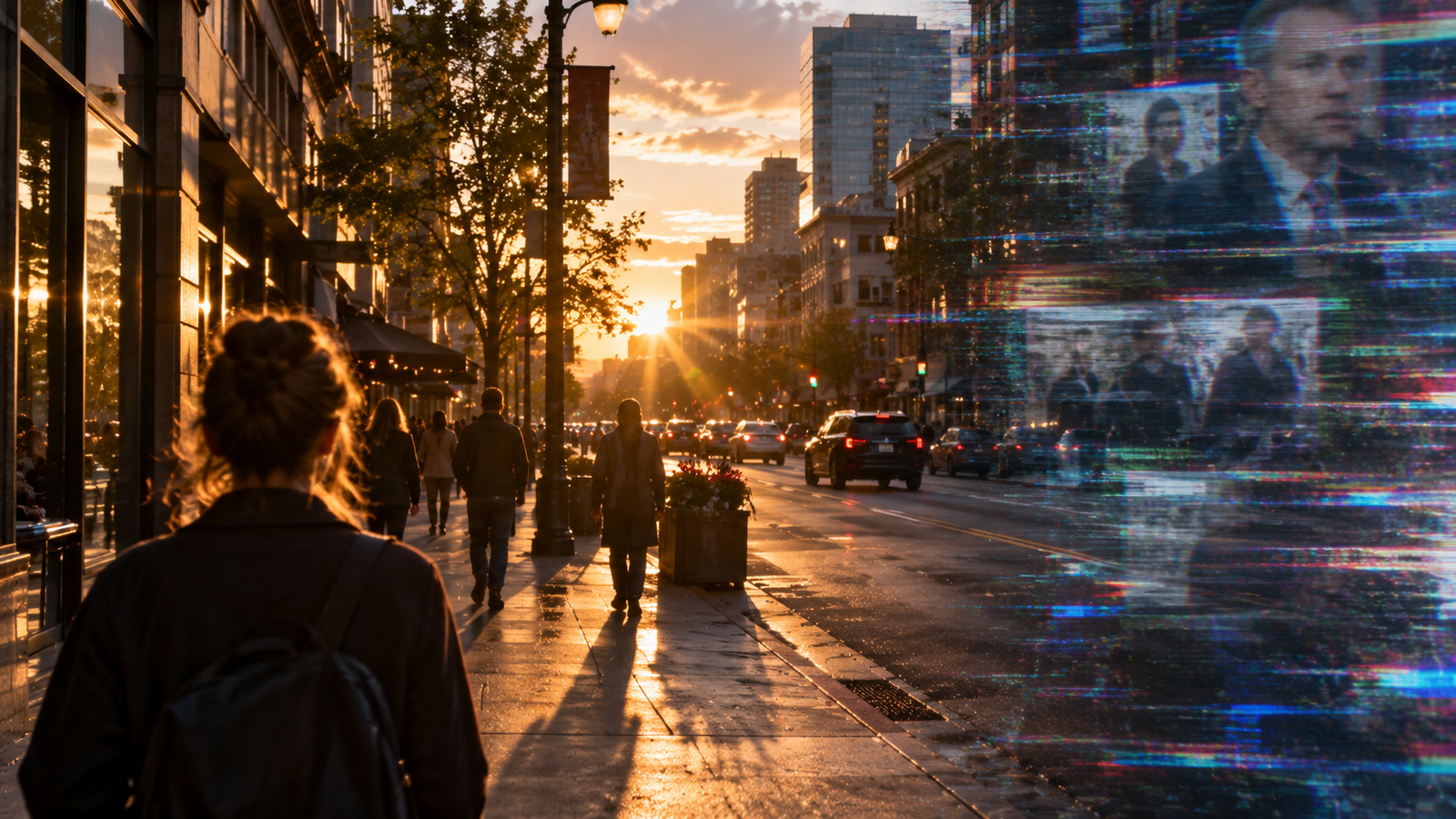
Although gravity is the weakest of the four fundamental forces on the smallest scales, it becomes the dominant force across astronomical distances. It shapes planets, guides moons, forms stars, and binds entire galaxies together.
Without gravity, the Solar System would never have formed. Billions of years ago, vast clouds of gas and dust slowly collapsed under their own gravitational pull, and over millions of years, that collapse gave birth to the Sun, the planets, and eventually Earth itself.
Its influence extends far beyond keeping your feet on the ground. Gravity keeps Earth’s atmosphere from drifting into space, allowing every breath you take. It holds the oceans against the planet instead of letting them scatter across the Solar System. It keeps the Moon locked in orbit, creating tides that have shaped life for hundreds of millions of years.
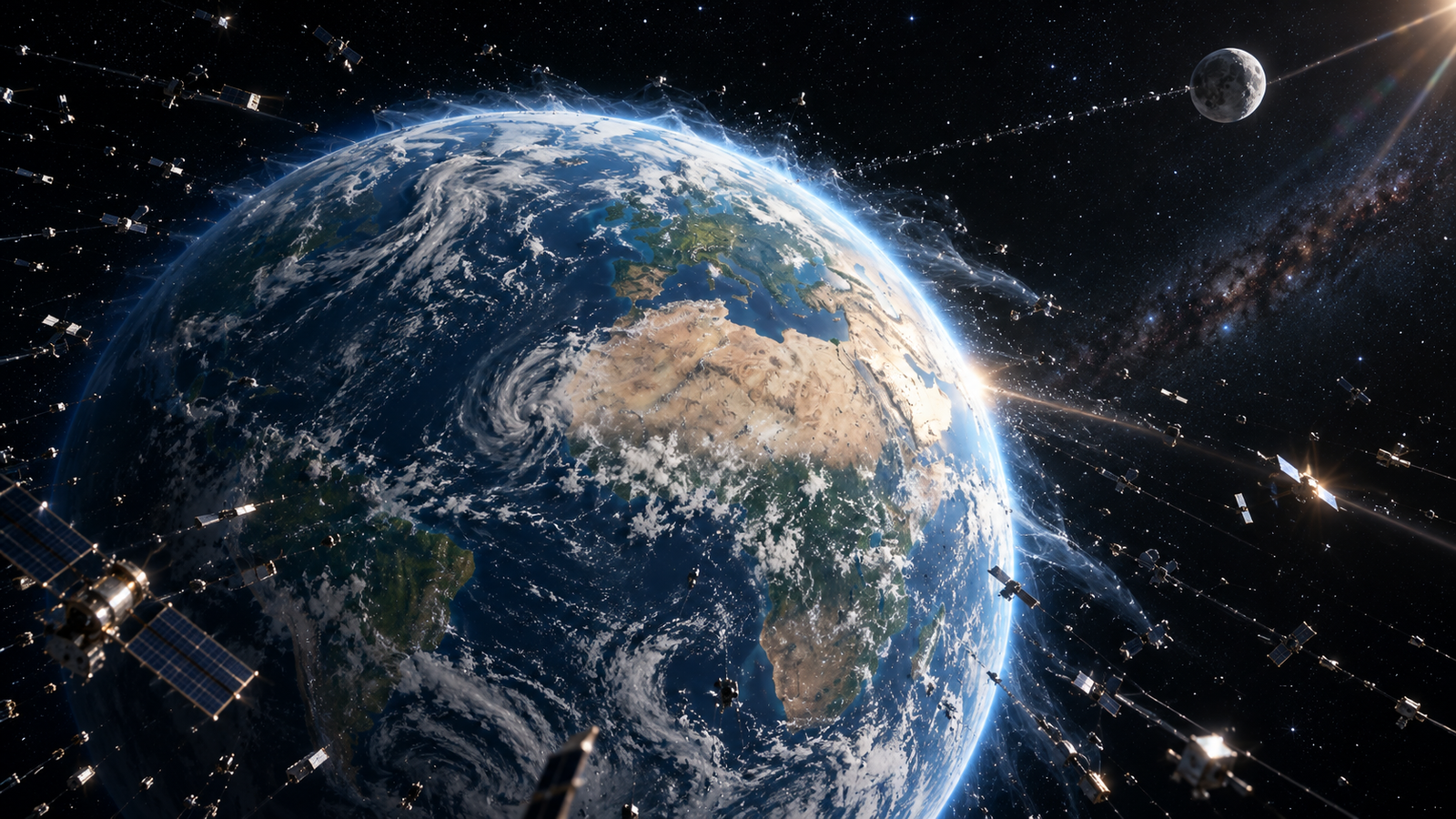
Even the satellites that provide navigation, communication, and weather forecasting depend on gravity to maintain their carefully calculated paths around Earth.
It is easy to think of gravity as simply the force that makes things fall. In truth, it is the invisible foundation upon which our entire world is built, which raises an unsettling question. If gravity is responsible for holding together everything we know, what happens when that foundation suddenly disappears?
Could Earth Ever Actually Lose Its Gravity? What Would Happen If It Did?
The short answer is no.
According to everything scientists currently understand about physics, Earth cannot suddenly lose its gravity. Gravity is not something the planet generates like electricity, nor is it powered by an invisible engine that could simply switch off. It exists because Earth has mass, and every grain of sand, every drop of water, every mountain, and every layer of molten rock inside the planet contributes to that pull.
To make Earth’s gravity disappear completely, the planet itself would have to lose its mass, and there is no known natural process that could do that in an instant while leaving everything else behind.
NASA made this same point when responding to the 2026 hoax, explaining plainly that gravity depends on mass, and a solar eclipse, which is what was actually happening on the date the rumor pointed to, has no effect on Earth’s gravitational field whatsoever.
That makes the scenario impossible under our current understanding of the universe. But impossible does not mean uninteresting, and scientists often use exactly this kind of thought experiment to explore how the universe actually works. So imagine the impossible has happened anyway.
Without warning, Earth’s gravity vanishes completely. This is what would really happen if Earth lost its gravity.
The First Second
The moment gravity disappears, nothing explodes. There is no flash of light, no deafening shockwave, no warning siren. For the briefest instant, the world appears exactly as it did a heartbeat earlier.
Then your body notices something your eyes cannot. The familiar pressure beneath your feet is gone. You no longer feel your own weight. At first, your mind struggles to understand the sensation. It feels less like being launched into the air and more like the ground has quietly stopped holding on to you. You begin drifting upward, only a few centimeters at first, then a little more.
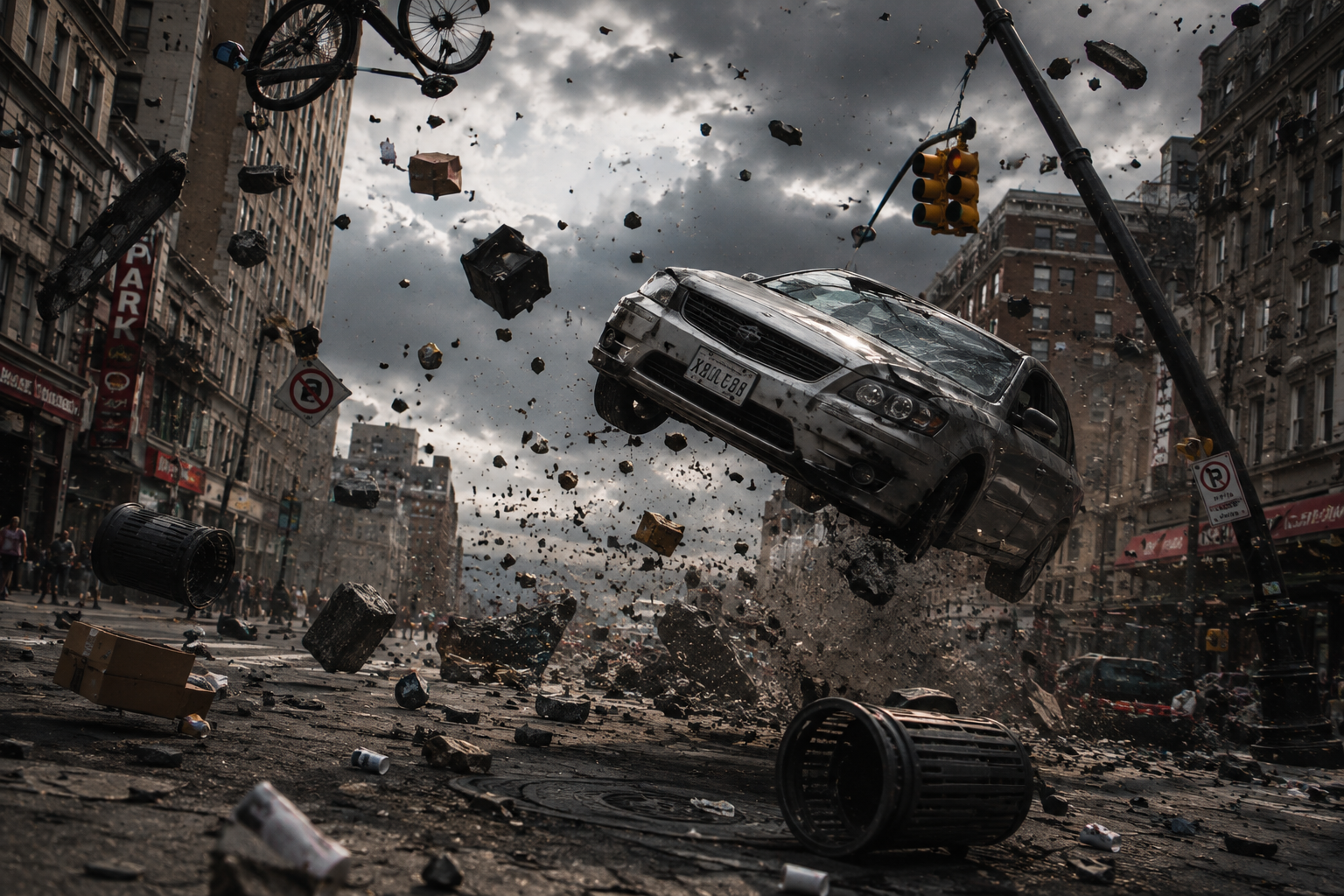
Around you, thousands of ordinary objects begin doing the same. Leaves lift from the sidewalk. A bicycle rolls backward before leaving the pavement entirely. A cup slips from someone’s hand, but instead of shattering on the ground, hundreds of tiny droplets spread through the air like suspended glass.
People instinctively reach for anything connected to the Earth. Benches. Railings. Tree trunks. Streetlights. No one understands what is happening. They only know that the world has stopped behaving the way it always has.
Buildings remain standing, which surprises many people. Gravity keeps buildings anchored to Earth, but it is not what holds steel together or keeps concrete from falling apart. Those materials are bound by electromagnetic forces that continue working even after gravity disappears. Cities do not collapse immediately. Instead, something stranger happens indoors. Furniture begins drifting across living rooms. Books leave their shelves. Kitchen tables empty themselves as plates, glasses, and cutlery quietly float toward the ceiling.
Meanwhile, roughly one hundred kilometers above the surface, the real danger is already beginning. That is where the outermost layers of the atmosphere meet the vacuum of space, and gravity normally pulls those gases back toward the planet, maintaining the protective blanket that has allowed life to flourish for billions of years.
Now that grip is gone. The highest molecules begin drifting away quietly, an endless stream of nitrogen and oxygen leaking into space. No one on the ground notices yet. The sky remains blue. But high above their heads, Earth has already started losing something it can never replace.
The First Minute
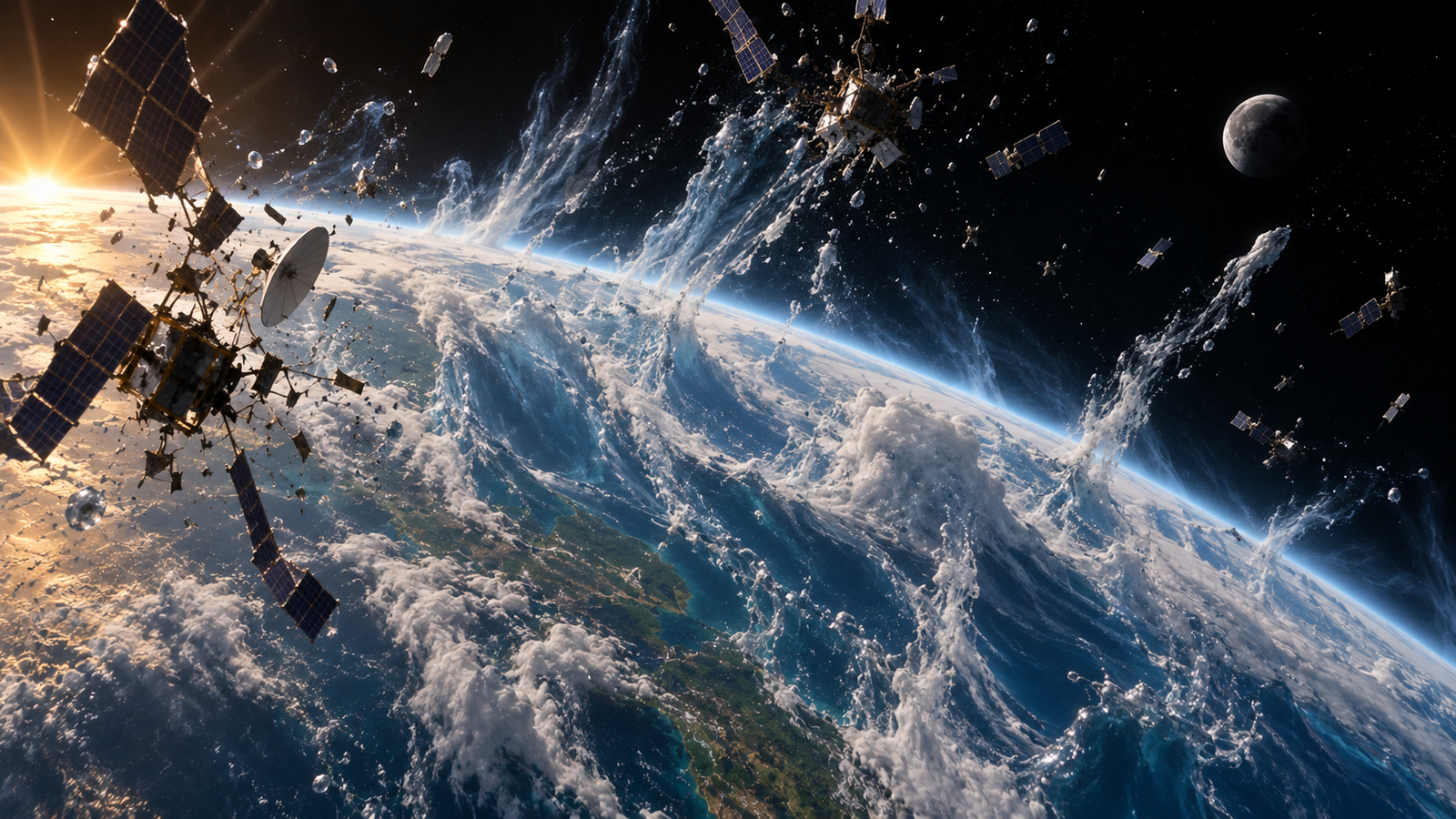
Sixty seconds. That is all it takes for the impossible to become undeniable.
Across the planet, confusion gives way to a frightening realization. This is not an isolated event, it is happening everywhere at once. Emergency call centers are overwhelmed as millions of people try to describe something no language was built to explain. Air traffic controllers watch hundreds of aircraft report the same impossible conditions at exactly the same moment.
Commercial aircraft are among the first machines to struggle, because their wings depend on dense air to generate lift. As the atmosphere thins, that lift begins to disappear. Pilots push engines harder, searching for performance that no longer exists, while warning alarms fill the cockpit. Passengers stare through the windows as the sky darkens far faster than it should, the familiar blue horizon slowly fading toward black.
At ground level, breathing feels slightly more difficult. Voices carry differently. Only instruments can detect what is really happening in full, atmospheric pressure is falling fast.
Air molecules at sea level normally travel at close to 500 meters per second, held near the surface only by gravity’s constant pull. With that pull gone, there is nothing left to stop them from spreading outward into space, and the blanket of air that has protected Earth for billions of years is beginning to disappear.
The Oceans Escape
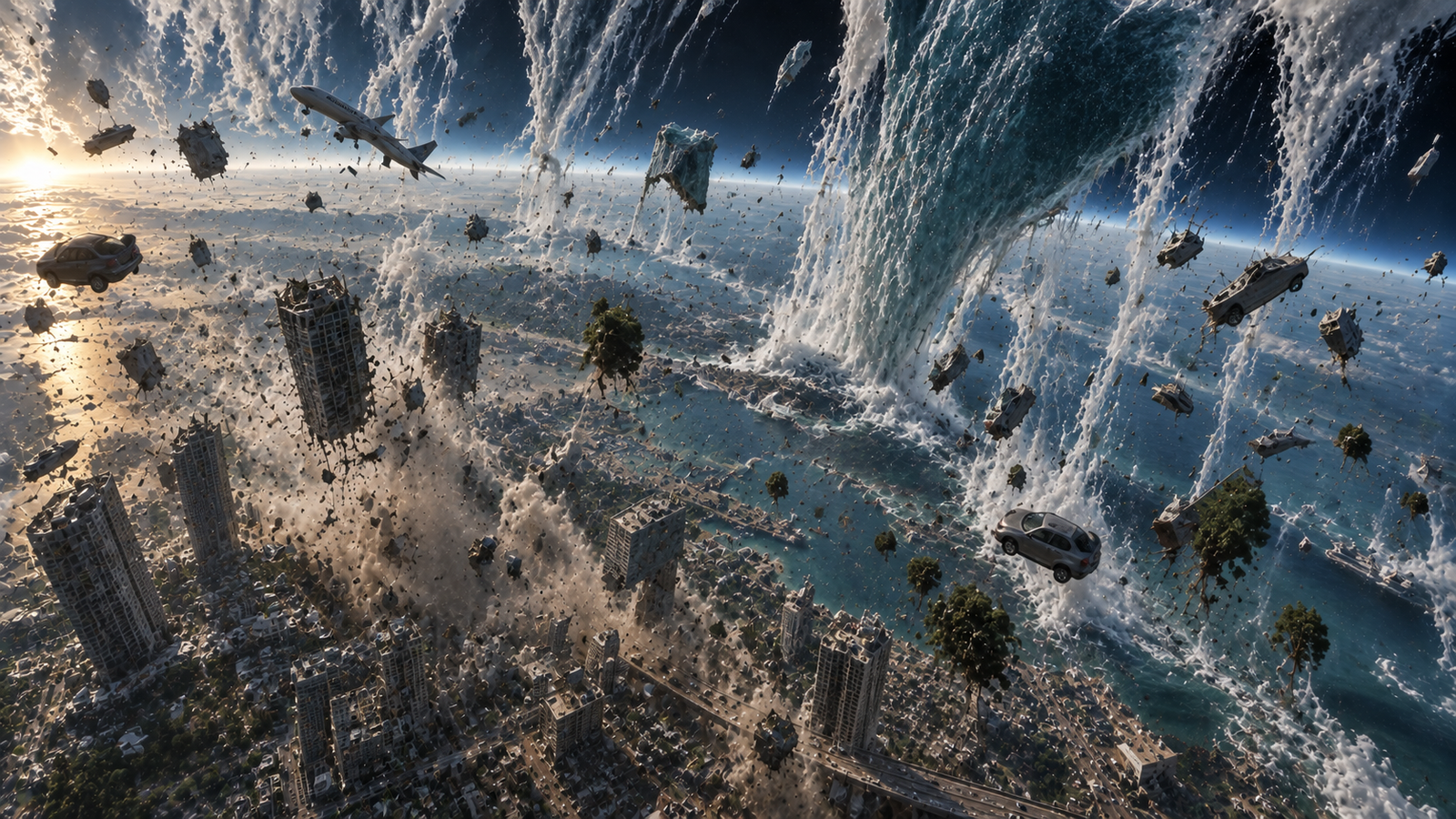
The atmosphere is not the only thing gravity keeps close to Earth. Every ocean, lake, river, and drop of water on the planet remains where it is because gravity constantly pulls it toward the surface. Without that pull, water has no reason to stay.
The first changes appear along coastlines. Waves lose their familiar motion. Instead of crashing onto beaches, the water begins lifting almost imperceptibly from the surface. Fishermen notice their boats rising with the sea beneath them. Harbor walls no longer contain the water.
Within moments, the impossible becomes visible from space, as vast sheets of seawater slowly separate from the planet, forming enormous shimmering arcs that stretch thousands of kilometers above Earth’s surface. Sunlight passes through the rising water, scattering into brilliant shades of blue and white.
For a brief moment, it is one of the most beautiful sights ever seen. It is also the beginning of Earth’s extinction, since every ecosystem depends on those oceans to regulate temperature, produce oxygen, and support life.
The Atmosphere Vanishes and the Moon Drifts Away
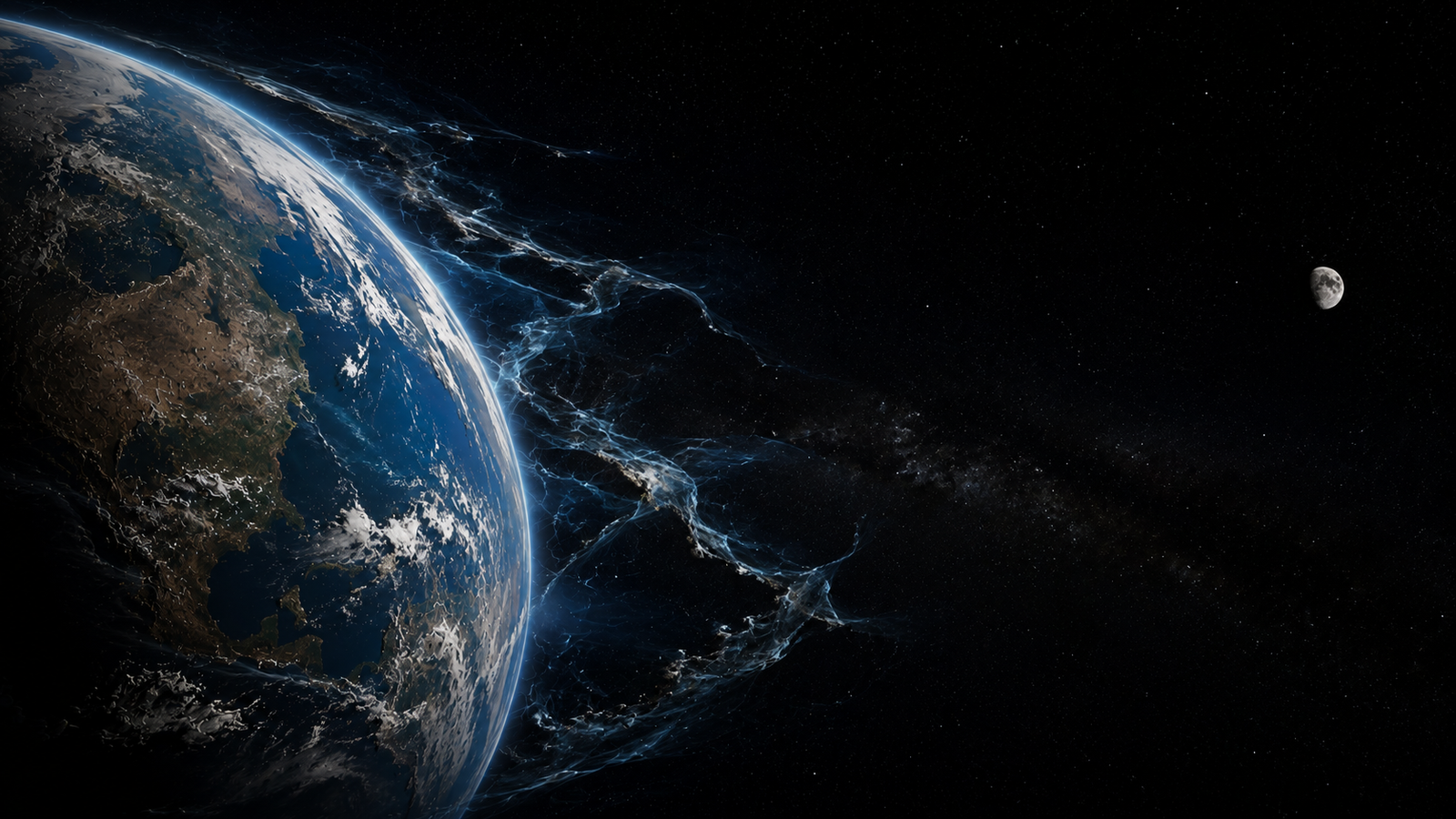
As the oceans begin their slow escape, the atmosphere keeps thinning, and the blue sky that has defined Earth throughout human history starts fading into darkness. Without the atmosphere to scatter light, daylight itself begins to resemble the stark, shadow filled landscape seen by astronauts on the Moon.
Breathing becomes increasingly difficult, starting at higher elevations and spreading across the globe. Birds can no longer fly, since their wings evolved to move through dense air, not the thinning envelope now slipping into space.
Above all of this, another quiet departure is underway. For billions of years, the Moon has circled Earth with remarkable precision, completing an orbit roughly every 27 days, guided entirely by Earth’s gravitational pull.
The moment that pull disappears, the Moon no longer has anything holding it into orbit. It does not shoot away dramatically. It simply continues moving in a straight line in whatever direction it was already traveling, since gravity was the only thing bending that motion into a curve. To anyone watching from Earth, the Moon would appear to drift farther away with each passing hour, slowly abandoning the planet it has accompanied for more than four billion years.
Earth Begins to Fall Apart
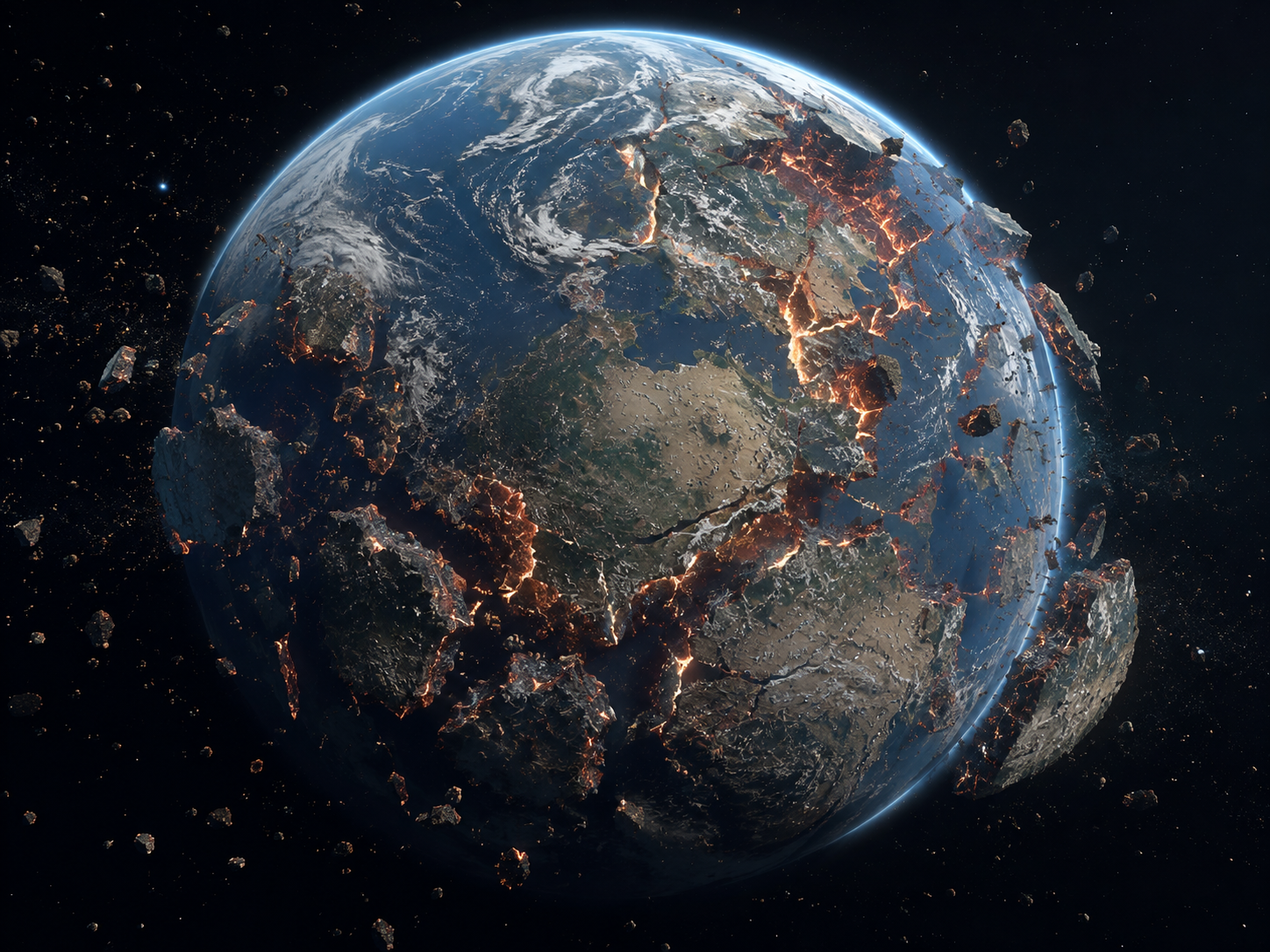
Gravity does far more than keep us standing on the ground. It also holds the planet together. Deep inside Earth, enormous pressure keeps the crust, mantle, and core locked into the stable structure that has existed for billions of years, and without gravity, that balance disappears.
Earth does not explode. Reality is stranger than that. The immense internal pressure begins fading, rock that has stayed compressed since the planet’s formation slowly expands, and the boundaries separating the crust, mantle, and core start losing their structure. Over time, the nearly perfect sphere that gravity built can no longer hold its shape. Mountains lose their form. Continents begin separating. The planet slowly unravels into an expanding cloud of rock, metal, water, and dust. Earth does not die in a single violent moment. It simply stops being a planet.
Could Humanity Survive?
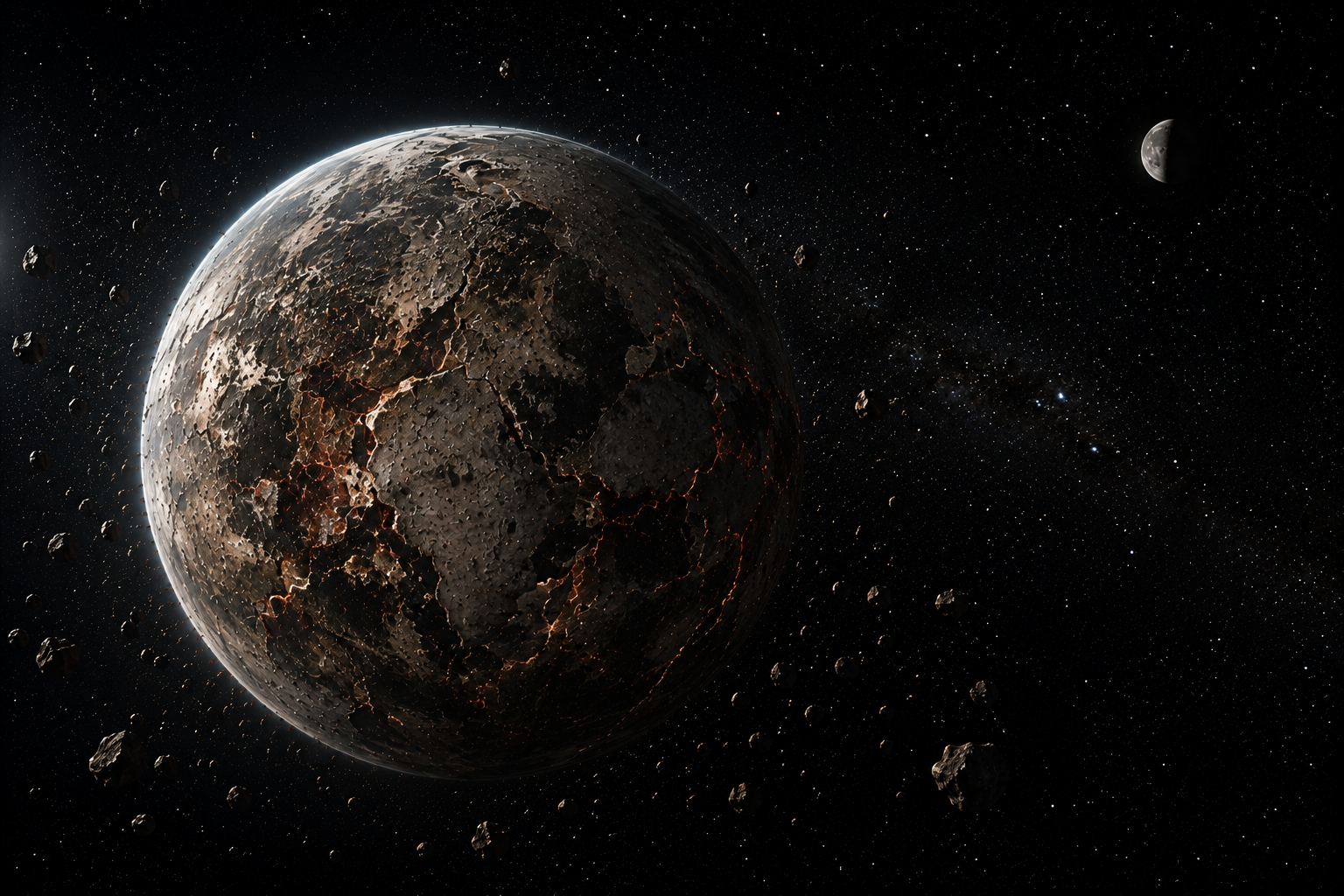
By now, the answer is painfully clear. Humanity would have no realistic chance of survival.
Long before Earth itself began coming apart, the atmosphere would become too thin to breathe. The oceans would continue escaping into space. Food production would collapse almost immediately, and temperatures would swing to deadly extremes as the atmosphere disappeared. Even underground shelters would offer little protection, since nearly every system that supports civilization depends on gravity in ways we rarely consider.
There is a real, measured version of part of this story already. Astronauts aboard the International Space Station live in microgravity for months at a time, and even that partial, gentle version of weightlessness takes a measurable toll on the body. NASA has documented that astronauts lose roughly one to two percent of their bone density every month in orbit, a rate faster than severe osteoporosis on Earth, along with fluid shifting toward the head and chest and a loss of balance that can persist for days after returning home.
That is what happens to a body with careful countermeasures and a controlled return to gravity. In a true, sudden, permanent loss of Earth’s gravity, the body would face all of that at once, with no recovery period and no atmosphere left to breathe while it happened.
Space stations would provide only temporary refuge at best, since they were never designed to support billions of people or replace the resources only Earth can provide.
This thought experiment reveals something worth sitting with. The force we almost never notice is quietly responsible for nearly everything that makes our world livable. Gravity is not simply another law of physics. It is the invisible foundation of civilization itself.
Could This Ever Really Happen?
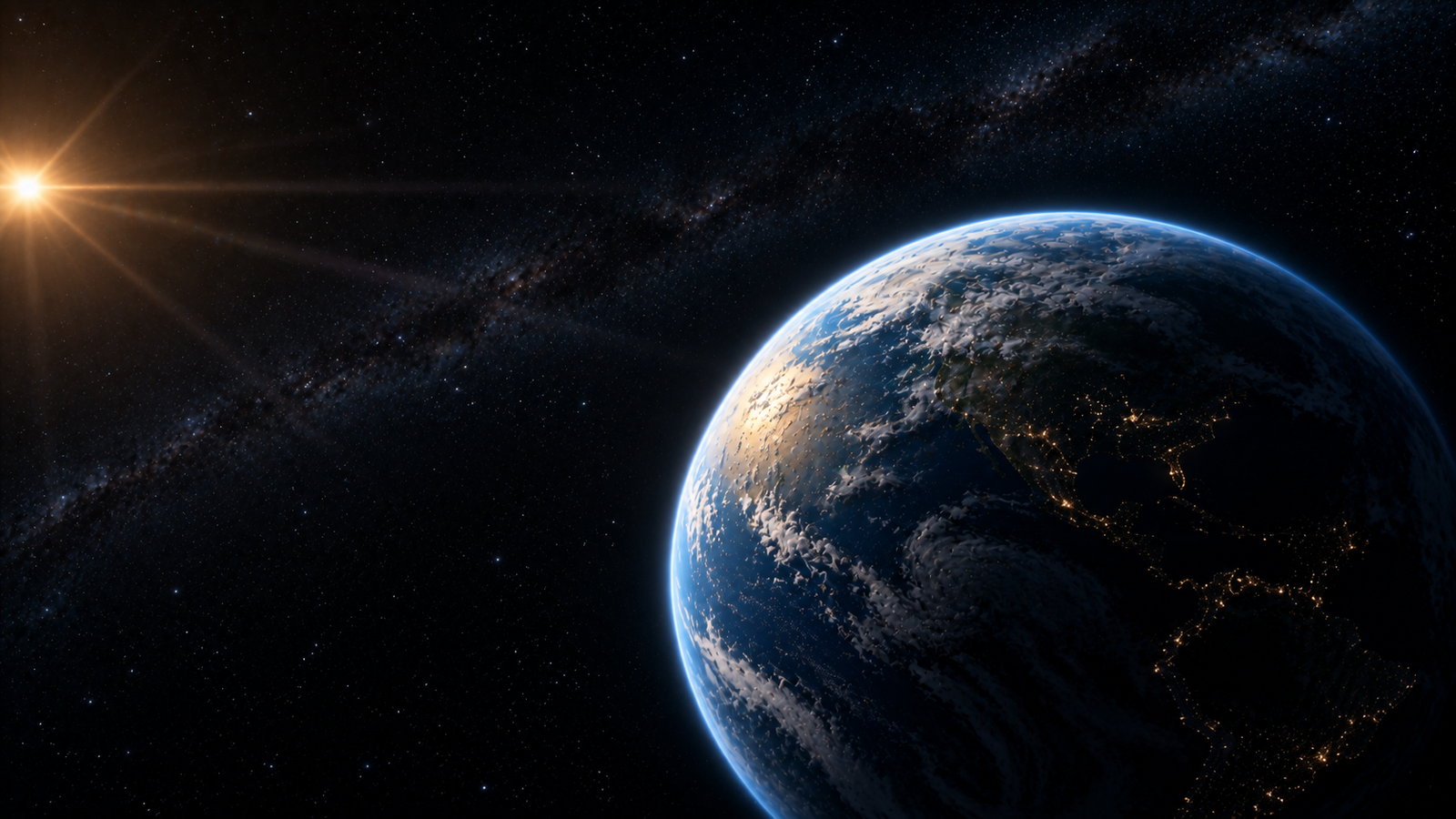
None of this can actually happen, but scientists do study Earth’s real gravitational field closely, and not just in theory. Since 2002, NASA and its German research partners have used twin satellites, first GRACE and now GRACE-FO, to map tiny month to month changes in Earth’s gravity caused by shifting ice, groundwater, and ocean mass. “You can see NASA’s real-time gravity mapping data on the GRACE-FO mission page.”
As the satellites orbit in formation, changes in Earth’s mass distribution cause the tiny distance between them to shift by fractions of a millimeter, data that scientists use to track melting ice sheets and drought conditions with remarkable precision.
It is also worth separating two different ideas that often get blended together online. Earth’s own surface gravity, the pull discussed throughout this article, is different from the Sun’s gravity, which is what actually keeps Earth orbiting at all.
If the Sun’s pull vanished instead, Earth would stop curving around it and fly off in a straight line at its current orbital speed of roughly 107,000 kilometers per hour, drifting into darkness with no star left to orbit. That is a different, and in some ways even larger, catastrophe than the one explored here.
Conclusion
What would happen if Earth lost its gravity.
Gravity is so familiar that most of us never think about it. We wake up, walk across the floor, pour a cup of coffee, and breathe without ever questioning the invisible force making each of those moments possible.
Imagining Earth without gravity reminds us that our world depends on an extraordinary balance of physical laws. The disappearance of gravity would not simply make people float. It would strip away the atmosphere, send the oceans into space, break the relationship between Earth and the Moon, and eventually tear the planet itself apart.
Fortunately, this scenario belongs only in the realm of imagination. The same laws of physics that make gravity essential also make it incredibly reliable. For more than four billion years, gravity has quietly held our world together, and it has never missed a single moment.
Perhaps the greatest lesson from this thought experiment is not how terrifying a universe without gravity would be. It is how extraordinary our universe already is. That is the real, physical answer to what would happen if Earth lost its gravity.
Frequently Asked Questions
What would happen if Earth lost its gravity? Everything not physically attached to the planet would begin drifting away. Over time, the atmosphere would escape into space, the oceans would leave Earth’s surface, the Moon would stop orbiting Earth, and the planet itself would eventually lose its structure.
Is the viral seven second gravity loss theory real? No. A claim spread across social media in early 2026 describing a secret NASA project and a seven second loss of gravity on August 12, 2026. NASA directly denied it, confirming that gravity depends on Earth’s mass and that a solar eclipse, the actual event on that date, has no effect on it.
Would people instantly fly into space? Not instantly. Without gravity pulling people toward Earth, anyone not securely attached to the surface would begin drifting away. The movement would start gently but become increasingly dangerous as the atmosphere disappeared.
Would Earth explode if gravity disappeared? No. Earth would not explode. Instead, it would gradually lose the internal pressure that keeps it compressed into a stable planet, eventually breaking apart over a longer period.
Could Earth really lose its gravity? No. According to modern physics, gravity is a natural consequence of mass. As long as Earth exists, it will continue to have gravity.
What would happen to the Moon without Earth’s gravity? The Moon would no longer orbit Earth. It would continue traveling through space along a straight path, since Earth’s gravity would no longer bend its motion into an orbit.
Explore More Cosmic Mysteries
If you enjoyed this journey through one of the universe’s most fascinating thought experiments, there is much more waiting beyond our world. Discover black holes, distant exoplanets, cosmic mysteries, and the latest space discoveries on From Worlds Beyond, and check out the companion video bringing this exact scenario to life.